
Featured















We discuss the inner workings of tech fascism, the toxic beliefs of billionaire extremists, and the role of cryptocurrency to facilitate the demise of democracy. As always, the cure will come from collective action.
We discuss the president’s meddling in universal mail in ballots, the stakes of the 2026 election, and election integrity in Nevada.
We discuss the transformation of free market capitalism into a techno-winner-take-all system. Reaganomics and advances in technology have supercharged the market power of corporations and created immense private power. Both of these have increased economic inequality, which causes political inequality and threatens democracy.
We discuss how the interlocking web of public relations, think tanks, and university research funding by private actors and corporations have polluted the information ecosphere. Warping the truth is destroying reality and eroding democracy.
We discuss an innovative framework to reclaim our constitutional future from a Supreme Court that has amassed power for itself and undermined how we govern ourselves.
We discuss how the SpeechNow v. FEC decision in 2010 created Super PACs and how combating corruption in American politics starts with getting rid of Super PACs.
We discuss the basics of organizing and the fruits of that work. Michael reminds us that “organizers organize organizations.”
We discuss Practical Radicals: Seven Strategies to Change the World—a guide for a new generation of activists seeking not just to understand power, but to build it.
We discuss why now is the time for a third political party to really take center stage in American democracy.
We discuss the intersection of policymaking on economics and democracy, the harm of intense concentration of wealth, and the need for building durable civil society.
We discuss the enthusiasm for civic engagement by right-wing women, which translates to power and victory at the ballot box.
We discuss the overlooked and insidious complications from gerontocracy in American democracy.
We discuss the balance of influence between activists and the majority in local politics and how we can reinvigorate democracy at the local level.
We discuss the case for SWAMP audits, how we can truly build a multiracial democracy, and why we’re going to have to fight for it.
We discuss the hidden power inside the U.S. Constitution, what it was designed to protect against, and how it can fortify American democracy today.
We discuss how each of us is a node of possibility for change in the climate crisis, taking us from overwhelm to participation.
We discuss the myriad of ways to fix Congress, ranging from campaign finance reform and age limits to town hall meetings and stopping violence against members of Congress.
We discuss the radical idea that dissidence belongs to all of us. Living with truth is the starting point to being a citizen changemaker and to taking impactful civic action.
We discuss the vision of an everyone-a-changemaker society. Now is the moment to step up to protect healthy civil society in America by making the mechanisms and the rituals for participation in local politics more robust and more meaningful.
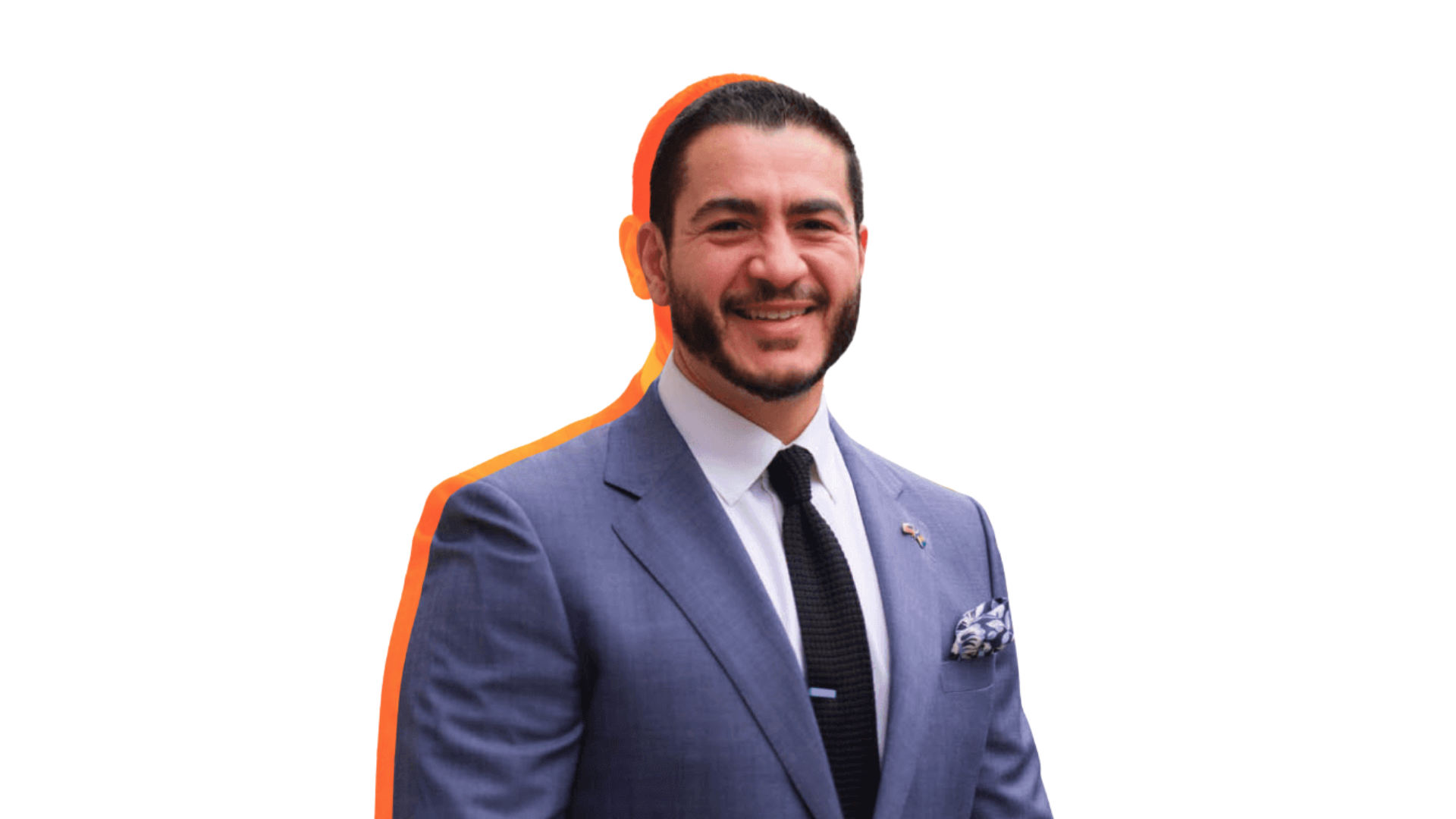
We discuss why Dr. Abdul El-Sayed is running for Senate in Michigan and what kind of Senator he aspires to be. A public health expert with deep understanding of the healthcare system, Dr. El-Sayed believes that Medicare for All can be a realistic future.
We discuss the foundational lies of the Lost Cause, the organic nature of more recent lies, and the constant vigilance necessary to defend democracy.
We discuss the main goals of copaganda: narrowing our conception of safety and threat, constantly warning us that those harms are increasing, and telling us that the solution to our fears is more investment in the punishment bureaucracy.
We discuss the building blocks of the authoritarian playbook, the strategy behind intersectional solidarity, and the power of knowing your neighbor.
We discuss the strategy for electing from-the-gut economic populists who exude outsider vibes and who acknowledge that our system is broken. They are often outsiders who believe in issues such as protecting social security and taxing billionaires, which are super majoritarian issues. Outsiders can win in blue, purple, and red states.
We discuss the influence of the U.S.-China relationship on American democracy, on issues ranging from “garbage time” to soft power to geopolitical dominance of the South China Sea.
We discuss the corrupting effect of the Citizens United decision on policymaking and elections.
We discuss the power of showing up for local politics and the benefits of running an in-person campaign without relying on social media.
We discuss the work of governors across several states to defend the rights of their residents. GovAct serves as an innovation hub for policies on democracy, public health, and reproductive rights.
We discuss the investments to foster civic participation on college campuses, voter behavior among young people, and getting ready for the midterms.
We discuss the concept of deliberative representative democracy by ordinary citizens, which means representing and being represented in turn.